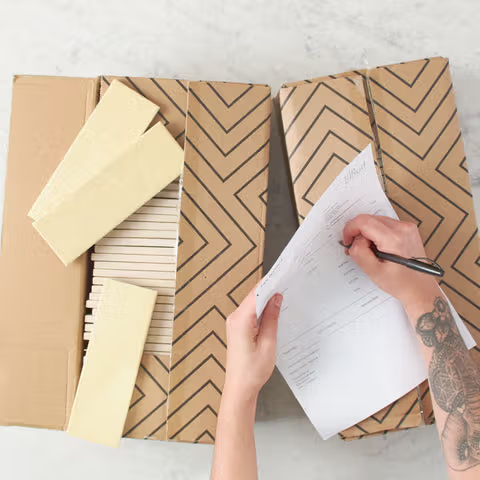
Tiling is an important part of any home renovation project. Whether you are updating your bathroom, renovating your kitchen, or installing new flooring, choosing the right tiles and planning the installation carefully can make a significant difference. Before work begins, it is essential to discuss your expectations with your tiler. Clear communication helps prevent misunderstandings, avoid unnecessary expenses, and achieve a finish that suits your home. Here are ten important things to talk to your tiler about before starting your project.
1. Your Design Preferences
Start by discussing your preferred design and the overall appearance you want to achieve. Consider the colours, patterns, textures, and finishes that complement your existing interiors. You can share photographs or design examples to help your tiler understand your vision. Discussing these details early ensures that the finished surface matches your expectations and creates a consistent look throughout the space.
2. The Type of Tiles
Different tiles offer different benefits, so choosing the right material is essential. Ceramic, porcelain, natural stone, and mosaic tiles are popular options for residential projects. Talk to your tiler about which materials suit your intended space, budget, and maintenance requirements. For example, porcelain tiles are often suitable for busy areas because of their durability, while textured tiles may provide better grip in wet environments.
3. The Project Budget
Discuss your budget before purchasing materials or beginning the installation. Ask your tiler for an estimate covering labour, surface preparation, adhesives, grout, and other necessary materials. You should also clarify whether removing old tiles or repairing damaged surfaces will involve additional costs. A clear budget helps you make informed decisions and reduces the risk of unexpected expenses during the renovation.
4. Surface Preparation
A successful tiling project depends on having a suitable surface. Uneven, damp, or damaged walls and floors can affect the quality and durability of the installation. Ask your tiler whether the existing surface requires levelling, waterproofing, cleaning, or repairs. Proper preparation helps tiles adhere correctly and reduces the likelihood of cracking, loose tiles, or moisture-related problems later.
5. Tile Layout and Patterns
The layout determines how tiles appear once installed. Discuss whether you prefer straight, diagonal, brick-bond, or other patterns. Ask your tiler how the layout will work around corners, doorways, drains, and fixtures. Planning the arrangement in advance can minimise awkward cuts and create a balanced appearance. It also helps ensure that decorative features and grout lines align neatly.
6. Waterproofing Requirements
Waterproofing is particularly important in bathrooms, showers, laundries, and other areas exposed to moisture. Ask your tiler what waterproofing measures are required for your project and whether these should be completed before tiling begins. Proper waterproofing protects underlying structures from water damage and helps prevent costly repairs. Make sure the work follows relevant building requirements and product manufacturer recommendations.
7. Grout and Adhesive Choices
Grout and adhesive influence both the appearance and performance of tiled surfaces. Discuss suitable colours, joint widths, and materials with your tiler. Some areas require products designed for moisture exposure or frequent cleaning. Your tiler can recommend options that complement your tiles while meeting the practical demands of the space. Choosing suitable products helps maintain a neat and durable finish.
8. Project Timeline
Ask how long the installation is expected to take and what factors could affect the schedule. Surface preparation, tile availability, drying times, and the complexity of the design can influence completion. Discuss when each stage will begin and whether the area will be unavailable during the work. A realistic timeline helps you plan around household routines and coordinate other trades if necessary.
9. Cleaning and Maintenance
Different tile materials require different cleaning methods and levels of maintenance. Ask your tiler how to care for the finished surface and which cleaning products are suitable. Natural stone, for example, may require specialised cleaners or periodic sealing. Understanding these requirements before installation helps you protect your investment and keep your tiled surfaces looking attractive for years.
10. Warranty and Aftercare
Before the project starts, clarify what warranty or workmanship guarantee is available. Ask how issues such as loose tiles, cracked grout, or installation defects will be handled. You should also confirm whether you will receive care instructions and details of the materials used. Having these arrangements in writing provides greater confidence and makes it easier to address any concerns after completion.
Conclusion
A successful tiling project begins with careful planning and open communication. By discussing your design preferences, materials, budget, preparation requirements, and aftercare with your tiler, you can avoid common problems and achieve a finish that meets your needs. Taking the time to ask these ten questions will help you make informed decisions, manage expectations, and enjoy beautiful, durable tiled surfaces in your home.