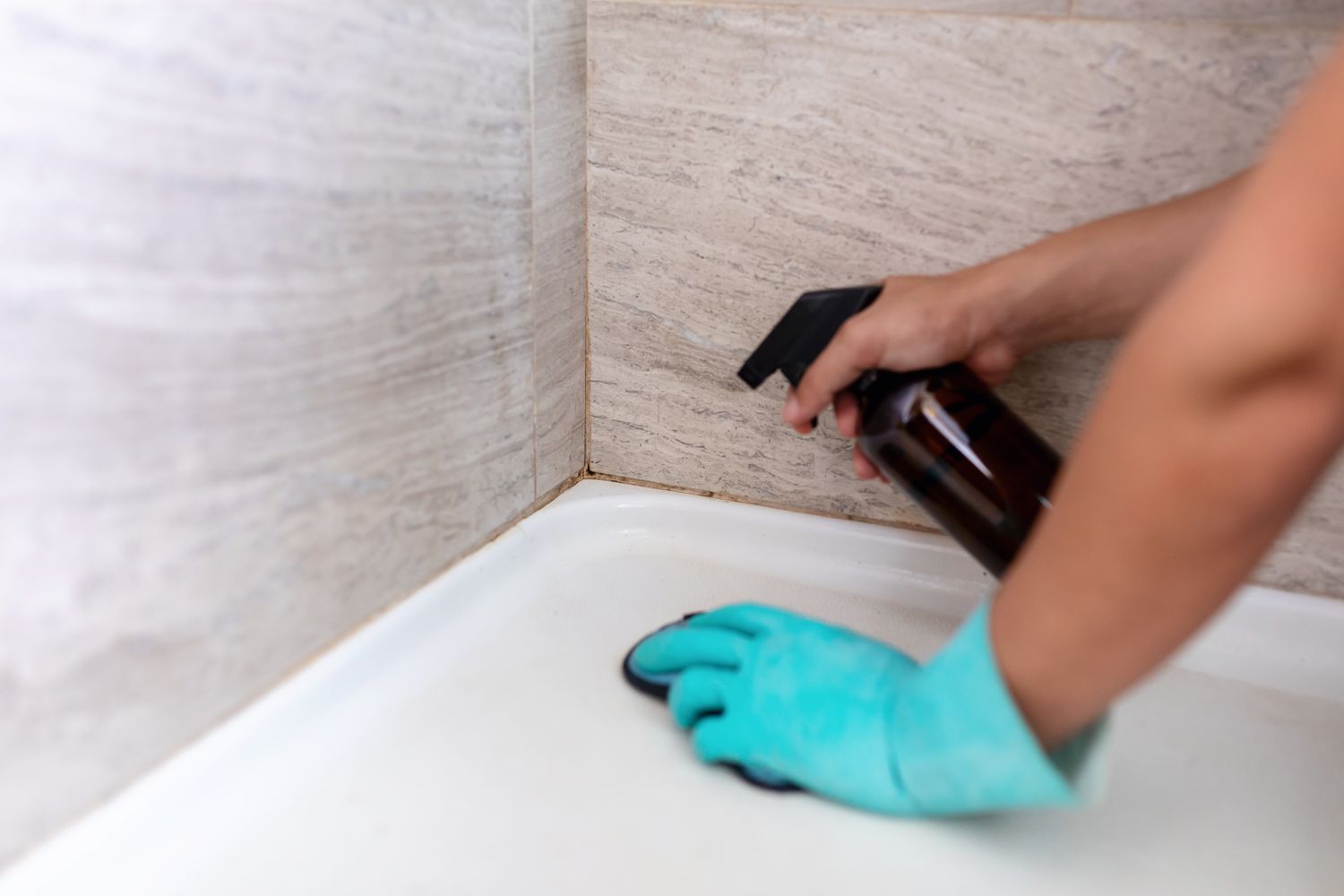
Tile grout plays an important role in keeping floors, kitchen backsplashes, and bathroom walls looking clean and attractive. However, grout can easily collect dirt, soap residue, grease, and moisture, making it appear discoloured over time. The good news is that you do not always need expensive cleaning products or professional equipment to restore its appearance. With a few simple techniques and regular maintenance, you can keep your grout looking fresh and your tiled surfaces cleaner. Here are five practical tile grout hacks that can make your cleaning routine easier.
1. Use Baking Soda for Everyday Grout Cleaning
Baking soda is a useful household ingredient for tackling everyday dirt and grime on grout lines. To create a simple cleaning paste, mix baking soda with a small amount of water until it reaches a thick consistency. Apply the paste to the grout and allow it to sit for approximately five to ten minutes. Then, gently scrub the area using a soft-bristled brush and rinse with clean water. This method works well for light stains and routine maintenance. Always test the paste on a small, inconspicuous area first, especially when working with delicate tiles or coloured grout.
2. Try Warm Water and Dish Soap for Greasy Grout
Kitchen grout often becomes stained by cooking oil, food splashes, and grease. Instead of immediately reaching for a strong chemical cleaner, try warm water mixed with a few drops of mild dish soap. Dip a soft brush into the solution and gently scrub the affected grout lines. The soap helps loosen greasy residue, making it easier to wipe away. Once the dirt has lifted, rinse the surface thoroughly to prevent soap buildup. This hack is particularly useful for kitchen floors and backsplashes that need frequent cleaning. Regularly wiping spills as soon as they occur can also prevent stubborn stains from developing.
3. Use a Soft Brush for Better Results
Choosing the right cleaning tool can make a significant difference when cleaning grout. Large mops and cloths often struggle to reach the narrow spaces between tiles, leaving dirt behind. A small nylon grout brush or an old, soft-bristled toothbrush can help you clean these areas more effectively. Work in short sections, applying gentle pressure while moving the brush along the grout lines. Avoid using metal brushes or abrasive tools because they can damage grout and scratch certain tile surfaces. After scrubbing, wipe away loosened dirt with a damp cloth. This simple change can improve your cleaning results without requiring expensive equipment.
4. Dry Grout Lines to Prevent Mould and Mildew
Bathrooms and other damp areas provide favourable conditions for mould and mildew growth. One of the easiest ways to protect grout is to reduce the amount of moisture that remains on tiled surfaces. After showering, use a squeegee to remove excess water from walls and floors where appropriate. Wipe wet grout lines with a clean cloth and improve ventilation by opening a window or running an exhaust fan. These habits help surfaces dry faster and reduce persistent dampness. If mould keeps returning, inspect the area for leaks or damaged grout. Extensive mould growth or recurring problems may require professional assessment rather than repeated surface cleaning.
5. Seal Grout for Easier Long-Term Maintenance
Grout sealing is an effective way to make many cement-based grout surfaces easier to maintain. A suitable grout sealer helps reduce the absorption of moisture and stains, although it does not make grout completely waterproof. Before applying a sealer, ensure the grout is clean, fully dry, and in good condition. Follow the manufacturer’s instructions carefully and confirm that the product is compatible with your grout and tile type. Some grout materials, including certain epoxy grouts, may not require sealing. Periodic inspection and resealing when recommended can help preserve the appearance of grout and reduce the effort needed for routine cleaning.
Conclusion
Keeping tile grout clean does not have to be a difficult or time-consuming task. Simple techniques, such as using baking soda for light dirt, removing grease with mild dish soap, choosing the right brush, controlling moisture, and sealing suitable grout, can make a noticeable difference. The key is to use products that are appropriate for your tile and grout materials and avoid harsh chemicals or excessive scrubbing. With consistent care and prompt attention to spills, you can maintain cleaner grout lines and enjoy a fresher-looking home throughout the year.