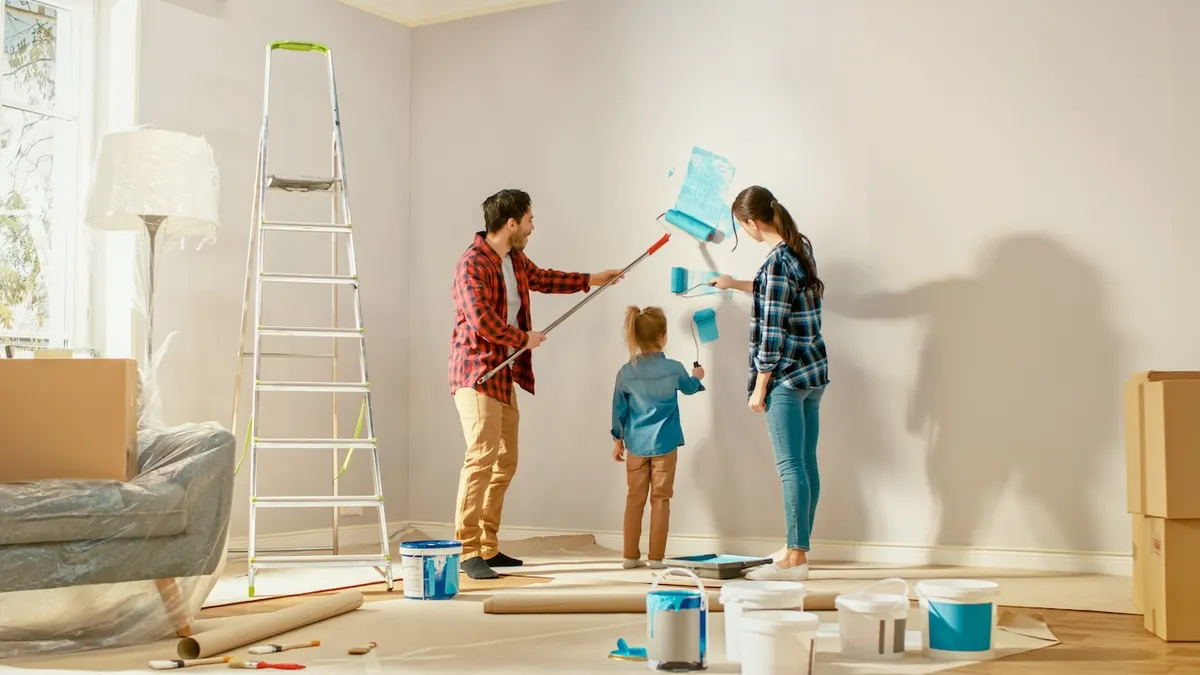
Your home should be a place where you and your family feel comfortable, protected, and secure. However, everyday hazards such as slippery floors, faulty electrical wiring, poor lighting, and outdated security systems can increase the risk of accidents. Making a few practical home improvements can help prevent injuries, improve security, and create a safer living environment. Whether you live in a small apartment or a large house, the following upgrades can make a significant difference to your family’s safety.
1. Install a Reliable Home Security System
Home security is one of the most important aspects of protecting your family. Installing a modern security system with cameras, motion sensors, and smart door locks can help deter intruders and provide greater peace of mind. Smart security cameras allow you to monitor entrances and outdoor areas through your smartphone, even when you are away from home. Additionally, reinforce exterior doors with quality locks and ensure that windows have secure locking mechanisms. These upgrades can improve your home’s protection and help you feel more confident about your family’s safety.
2. Improve Indoor and Outdoor Lighting
Poor lighting can increase the likelihood of slips, trips, and falls, particularly in hallways, staircases, and outdoor pathways. Installing bright, energy-efficient LED lights in frequently used areas can improve visibility throughout your home. Motion-sensor lights are especially useful near entrances, garages, driveways, and garden paths because they automatically illuminate when someone approaches. You should also ensure that staircases have adequate lighting at both ends. Well-lit spaces make everyday activities safer while improving the overall convenience of your home.
3. Upgrade Your Electrical System
Faulty electrical wiring, overloaded outlets, and damaged cables can create serious fire and electrical shock hazards. If your home has an outdated electrical system, consider arranging an inspection by a qualified electrician. Installing appropriate circuit breakers, residual-current protection devices, and sufficient electrical outlets can help reduce electrical risks. Avoid connecting too many appliances to a single socket, and replace damaged switches or cords promptly. Regular electrical maintenance is a valuable investment that helps protect your property and everyone living inside it.
4. Make Bathrooms and Staircases Safer
Bathrooms and staircases are common areas where household accidents occur. Wet bathroom floors can become slippery, while poorly maintained stairs can create tripping hazards. Installing non-slip flooring, grab bars near showers and toilets, and sturdy handrails can significantly improve safety. You can also place non-slip mats in areas exposed to water and ensure that shower enclosures are properly maintained. For households with young children or older adults, safety gates and additional support rails can provide extra protection and make movement around the home more secure.
5. Install Smoke Alarms and Carbon Monoxide Detectors
Early warning systems are essential for protecting your family from fire and dangerous gases. Install smoke alarms in appropriate locations, including near sleeping areas and on every level of your home, following local safety guidance. If your home contains fuel-burning appliances, fireplaces, or an attached garage, carbon monoxide detectors can help identify this invisible, odourless gas. Test alarms regularly and replace batteries or entire units according to the manufacturer’s instructions. Keep a suitable fire extinguisher accessible and ensure everyone knows how to leave the house safely during an emergency.
6. Strengthen Doors, Windows, and Outdoor Areas
Doors, windows, balconies, and outdoor pathways also deserve attention when improving home safety. Check for damaged window locks, loose balcony railings, uneven paving, and broken steps. Repairing these issues can prevent falls and make unauthorised entry more difficult. Families with young children should consider window restrictors and secure balcony access where appropriate. Keep outdoor walkways clear of clutter, trim overgrown plants that block visibility, and maintain fences and gates to improve security around your property.
Conclusion
Making your home safer does not always require expensive renovations. Simple improvements, such as better lighting, upgraded locks, electrical inspections, non-slip surfaces, and reliable smoke alarms, can reduce everyday risks and protect your loved ones. Start by identifying the most urgent hazards in your home, then prioritise upgrades according to your family’s needs and budget. With regular maintenance and thoughtful planning, you can create a safer, more comfortable living environment where every family member feels protected.